
Our Blog
Dental care tailored to mental health conditions ensures effective and comfortable treatment for the patient.
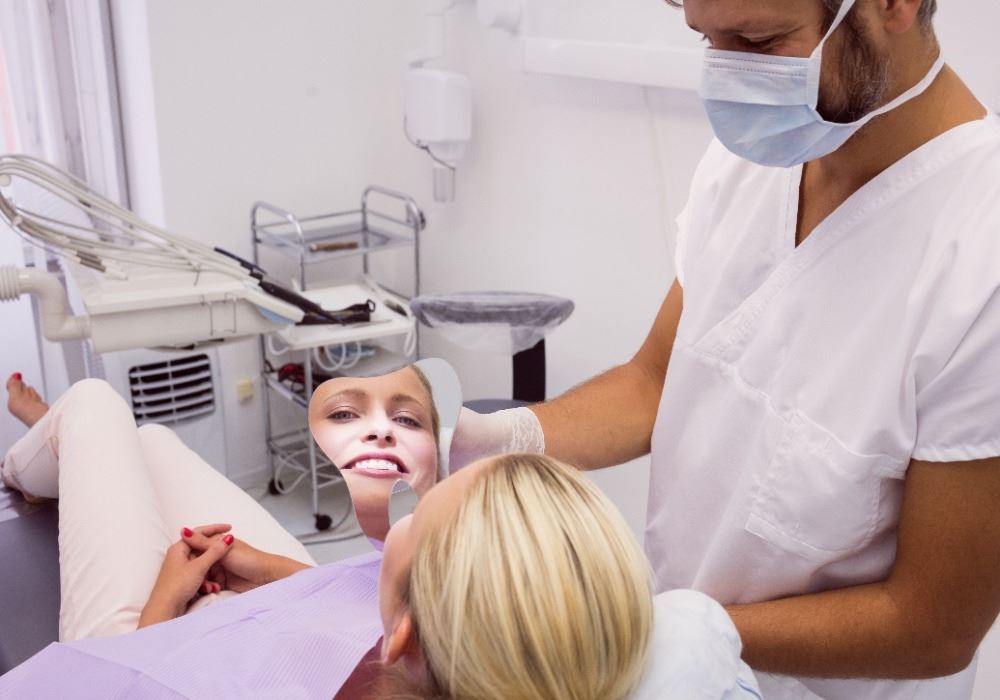
Image of wavebreakmedia_micro en Magnific
The College of Dentists of the Province of Santa Cruz de Tenerife emphasizes that only through this new approach is it possible to design self-care guidelines that align with the patient’s daily reality, ensuring both their comfort and the effectiveness of the treatment.
Empathy and adaptation in the consultation
For individuals living with mental health conditions, a visit to the dental clinic can be overwhelming. Consequently, dental professionals should employ specific strategies to foster a safe environment and mitigate dental phobia. This includes adopting an approachable, empathetic manner to reduce anxiety, as well as practicing active listening—which allows for greater flexibility regarding the timing and duration of appointments, as well as the complexity of procedures, based on the individual’s emotional state. These approaches are outlined in the technical report *Mental Health and Oral Health*, published by the General Council of Dentists and the Spanish Dental Foundation.
Furthermore, coordinating dental treatment with one’s primary care physician or psychiatrist, and scheduling appointments for early in the morning, drastically reduces anxious thoughts while in the waiting room. Flexible preventive check-ups—every three to six months—allow for close monitoring, which can halt the development of any condition in its early stages, ultimately making dental care a reassuring part of the journey toward emotional recovery.
Self-care and daily routines
At-home preventive measures are also key. Care centers on gentle brushing twice a day with high-fluoride toothpaste, complemented by the use of dental floss or interdental brushes. Staying consistently hydrated by drinking water helps combat dryness in a simple way, while the use of custom-made occlusal splints protects the teeth if stress triggers bruxism.
Ultimately, transforming the dental office into a safe space and simplifying home routines are the keys to ensuring that oral care ceases to be a barrier and instead becomes a cornerstone of the patient’s overall physical and emotional well-being.