
Our Blog
How to prevent dental erosion caused by frequent swimming in chlorinated pools
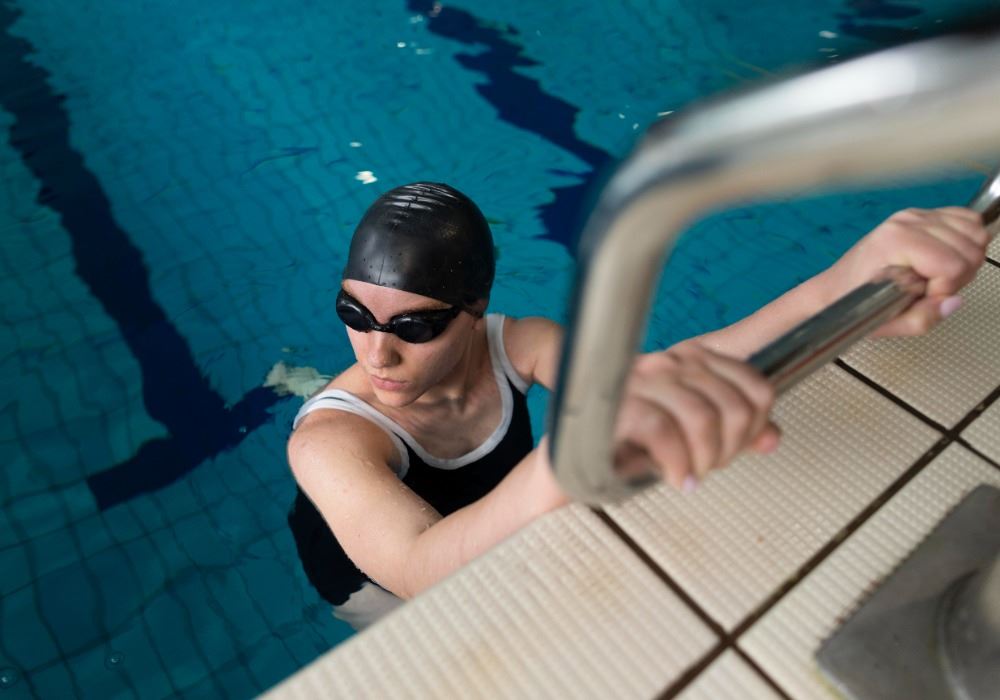
Preventing damage to tooth enamel during swimming depends mainly on three simple habits that should be applied at the end of the aquatic activity: rinsing the mouth with natural water to neutralize chlorine residue, increasing hydration to promote saliva production, and waiting at least 30 minutes before brushing teeth.
The College of Dentists of the province of Santa Cruz de Tenerife emphasizes that these measures help neutralize oral pH and prevent abrasion of the outer layer of the tooth, which is temporarily more vulnerable after prolonged exposure to treated water.
Swimming is a beneficial activity for overall health. However, prolonged and frequent contact with chlorinated water creates an oral environment prone to progressive wear. Clinical dental practice confirms that frequent swimmers regularly present characteristic signs of dental erosion and chromatic alterations, such as yellowish or brownish stains, resulting from the interaction of chemical agents with organic deposits in saliva.
When pH levels deviate from the optimal range, the acidity of the environment increases, facilitating enamel demineralization. Therefore, incorporating self-care protocols after training is the most effective strategy for those who swim regularly, preventing the sport from compromising the long-term integrity of the dental structure.