
Our Blog
How does tooth loss affect nutrition in older adults?
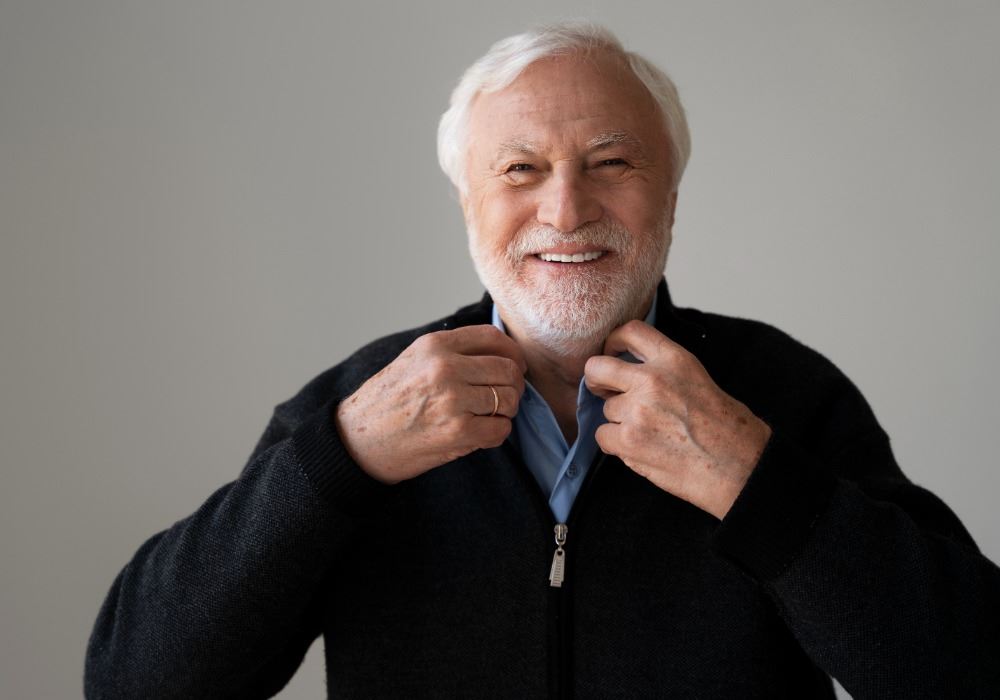
“Teeth not only serve a mechanical function, but also play a role in the first phase of the digestive process. Insufficient chewing prevents food from being properly broken down and reduces the action of saliva, which affects both nutrient absorption and the utilization of the diet. Over time, this alteration can have a direct impact on metabolism and overall health,” explains Gabriela Aldana, from the Clinical Quality and Innovation team at Sanitas Dental.
In addition to the physical implications, tooth loss has social and emotional consequences. Many older adults reduce their interactions at shared meals or avoid certain places due to discomfort when speaking or smiling. This situation can lead to isolation and affect psychological well-being. “Taking care of oral health at this stage not only prevents medical complications, but also promotes self-esteem, social participation, and quality of life for older adults,” adds Miriam Piqueras, Medical Director of Sanitas Senior Care.
Given this situation, the experts at Sanitas Senior Care recommend:
- Get regular dental checkups. These are essential for detecting problems like cavities, periodontal disease, or early tooth loss. They also allow for the evaluation of treatments that can restore oral function, from removable dentures to implants.
- Adapting your diet without sacrificing nutritional value. When chewing is difficult, it's common to eliminate certain foods, which reduces the quality of the diet. An alternative is to modify textures without compromising nutrients, preparing creams, purées, tender stews, or mild fish that provide essential proteins, fiber, vitamins, and minerals. Furthermore, today's advances in textured cooking allow us to offer dishes with the same appearance, aroma, and flavor as the original foods, helping to maintain not only nutritional health but also the pleasure and gastronomic experience.
- Chew slowly and in small amounts. Taking more time to eat facilitates digestion, improves nutrient absorption, and reduces the risk of choking. Breaking food into small pieces and chewing calmly allows saliva to work properly in the first phase of the digestive process.
- Maintain adequate hydration. Tooth loss and certain dentures can alter saliva production, leading to dry mouth. Drinking enough water throughout the day facilitates swallowing, protects the gums, and helps prevent problems such as infections or difficulty swallowing.
- Consult a specialist if you experience weight loss or apathy towards food. If an older person reduces their food intake, shows less interest in eating, or experiences low energy levels, it's advisable to seek professional support. Early intervention can prevent serious nutritional deficiencies, detect associated disorders, and offer personalized guidelines for maintaining a balanced diet.
Oral health is a pillar of general health, and its care in older people is key to preserving not only proper nutrition, but also emotional well-being and quality of life.